 |
||
 |
||
          |
||
 |
Leak of intimate photos from messaging apps02.10.2026 The most dangerous assumption about modern messaging apps is that end-to-end encryption equates to absolute privacy. When individuals engage in paid virtual sex https://hotvirt.com/virt-sex/service encounters, they frequently exchange intimate photos over platforms like WhatsApp , Telegram, or Signal. The encryption guarantees the image traverses the network safely, but it does nothing to control the recipient. In the context of commercial virtual interactions, the recipient is often a stranger motivated by financial gain, creating a potent vector for extortion and public exposure. 
The Threat Landscape in Paid Virtual EncountersVirtual sex workers operating via direct messaging occupy an unregulated grey area. Unlike established camming platforms with institutional safeguards, age verification, and structured payment systems, direct messaging removes the intermediary. A client who shares an intimate image in this setting faces two primary threats: sextortion, where the operator demands payment to keep the images private,0and doxing, where the images are published alongside identifying information to punish or harass the victim/0client. The commercial nature of these interactions fundamentally alters the threat model. While revenge pornography typically arises from severed personal relationships, leaks from paid virtual encounters are usually transactional. The perpetrator views the victim as a revenue stream. Once the initial transaction concludes, the intimate media becomes leverage. If a victim refuses further payments, the material may be deployed to inflict maximum reputational damage. Why Encryption Fails to Protect Against Human BetrayalEnd-to-end encryption (E2EE) protects data in transit and at rest on the server. Once the image lands on the recipient's device, the security model collapses. The recipient can screenshot the image, save it to an external drive, or use a secondary camera to photograph the screen. Messaging apps increasingly offer "view-once" or ephemeral media features, but these rely on client-side honour systems. A determined recipient can bypass these restrictions using secondary hardware, screen recording software, or modified app clients that disable screenshot detection. Furthermore, cloud backups often undermine E2EE. If a user opts for default cloud backup settings, intimate images may be stored on Apple or Google servers in a decryptable format. A compromise of those cloud accounts, or a legal warrant served to the cloud provider, can expose the images independently of the messaging app's security architecture. Common Tactics Used to Compromise VictimsOperators who maliciously leak images follow predictable patterns. They often conduct reconnaissance before making demands, gathering the victim's social media profiles, workplace details, or family connections using information derived from the messaging app itself or linked phone numbers. When a victim refuses to pay, the images are uploaded to revenge pornography sites, leaked on public forums, or sent directly to the victim's professional contacts. The escalation is usually rapid. Victims are given short deadlines to transfer cryptocurrency, exploiting panic and shame. Because the perpetrators often operate from jurisdictions with lax cybercrime enforcement, they act with relative impunity. The commercial nature of the interaction also means that successful extortion targets may be shared or sold within criminal networks, leading to cascading demands from different parties who have acquired the same media. Comparing Preventative Measures and SolutionsMitigating the risk of intimate photo leaks requires a layered approach. No single solution provides complete immunity, but comparing the available options reveals a hierarchy of effectiveness based on the specific*specific criteria of proactive protection, usability, and identity decoupling. Technical SafeguardsTechnical solutions focus on limiting the digital footprint of the image. Utilising ephemeral messaging features is the most common step, though its effectiveness is severely limited by the screenshot vulnerability mentioned earlier. Metadata stripping tools are more robust; they remove EXIF data—such as GPS coordinates, device model, and timestamps—before an image is sent. However, technical safeguards cannot prevent a malicious recipient from simply saving the file. 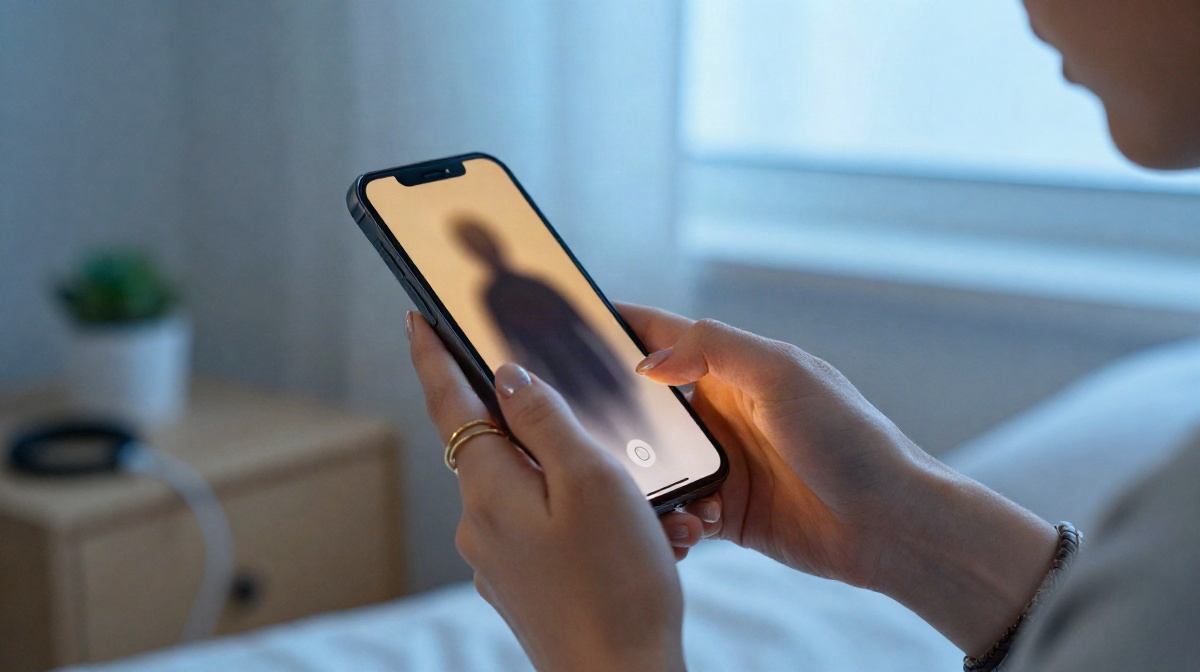
Behavioural DefencesBehavioural strategies involve altering the content of the images themselves to remove identifying markers. This approach, often termed "anonymisation by design," is highly effective. It involves keeping faces, distinctive tattoos, and unique birthmarks out of the frame. Additionally, removing identifiable background clutter—such as family photos, specific artwork, or views from distinctive windows—prevents reverse image searches or contextual deduction. Behavioural defences shift the calculus of extortion; an image without a face or verifiable identity has significantly less leverage. Platform and Legal RecourseLegal solutions are inherently reactive. Victims can utilise frameworks like the UK's Revenge Pornography laws or international copyright takedown notices (DMCA) to remove images from hosted servers. Organisations such as the Cyber Civil Rights Initiative offer hash-sharing networks; victims submit a hash of the image, which platforms use to automatically block re-uploads. While effective for stemming the spread of known images, legal recourse does nothing to prevent the initial leak and is often agonisingly slow against determined offenders who hop between offshore hosts. Evaluating the Effectiveness of Each ApproachTo select the most appropriate defence, one must evaluate each solution against the specific criteria of proactive risk reduction and identity protection. Approach Proactive Protection Usability Identity Protection Technical Safeguards Low to Medium (ephemeral limits, metadata stripping) High (built into apps) Low (does not obscure physical identity) Behavioural Defences High (removes leverage at source) Medium (requires conscious effort during capture) High (decouples image from real-world identity) Legal Recourse None (reactive after the fact) Low (complex, emotionally taxing, jurisdictional hurdles) Medium (can remove content, but identity may already be exposed)The table illustrates a clear reality: behavioural defences offer the strongest proactive shield. While technical safeguards are easier to implement, they place trust in the recipient's compliance and the app's integrity. Legal recourse remains a necessary but flawed safety net. Responding to a LeakIf intimate images are leaked despite preventative measures, the immediate response dictates the long-term outcome. The first rule is to refuse payment. Sextortion is a business; paying a ransom rarely results in the deletion of images and almost always marks the victim for repeated exploitation. Instead, victims should immediately document the evidence. Screenshots of the threats, the perpetrator's contact details, and the URLs where images are hosted should be preserved. Victims should then engage hash-based takedown services to prevent viral spread, report the content to the hosting platforms, and involve law enforcement. Maintaining strict emotional discipline is difficult but essential; communicating with the perpetrator only provides them with further leverage and validation. Shifting the Trust ParadigmThe risk of intimate photo leaks from messaging apps during commercial virtual sex encounters is structurally embedded in the transaction. The client surrenders sensitive media to an anonymous party whose financial interests are not aligned with discretion. Trust in encryption must be replaced with a realistic assessment of the recipient's intent. The most effective defence is not a feature toggled within a messaging app, but the rigorous anonymisation of any intimate content shared. By ensuring that an image cannot be traced back to a real-world identity, the leverage that fuels sextortion evaporates entirely. |
|
  |
||
 |
||